Featured
Table of Contents
Mental Barriers to Minimizing Interest in the local area
Customer habits in 2026 stays heavily influenced by the psychological weight of month-to-month obligations. While the mathematical expense of high-interest debt is clear, the psychological obstructions avoiding effective payment are often less visible. The majority of citizens in the local market face a typical cognitive hurdle: the propensity to focus on the immediate monthly payment instead of the long-lasting build-up of interest. This "anchoring predisposition" happens when a customer looks at the minimum payment required by a charge card company and unconsciously treats that figure as a safe or suitable total up to pay. In reality, paying just the minimum enables interest to substance, typically leading to consumers repaying double or triple what they initially borrowed.
Breaking this cycle needs a shift in how debt is viewed. Rather of seeing a charge card balance as a single swelling amount, it is more efficient to view interest as an everyday fee for "leasing" money. When people in regional markets start determining the per hour expense of their debt, the inspiration to decrease primary balances intensifies. Behavioral economists have noted that seeing a tangible breakdown of interest expenses can activate a loss-aversion reaction, which is a much stronger motivator than the pledge of future savings. This mental shift is vital for anyone aiming to remain debt-free throughout 2026.
Need for Interest Reduction has increased as more individuals recognize the need for expert assistance in restructuring their liabilities. Getting an outside point of view assists eliminate the psychological pity often connected with high balances, enabling a more clinical, logic-based method to interest reduction.
The Cognitive Impact of Rate Of Interest in various regions
High-interest financial obligation does not just drain checking account-- it produces a consistent state of low-level cognitive load. This psychological stress makes it harder to make wise monetary decisions, producing a self-reinforcing loop of poor options. Throughout the nation, customers are discovering that the stress of carrying balances leads to "decision fatigue," where the brain merely quits on intricate budgeting and defaults to the easiest, most expensive habits. To fight this in 2026, many are turning to structured financial obligation management programs that streamline the repayment procedure.
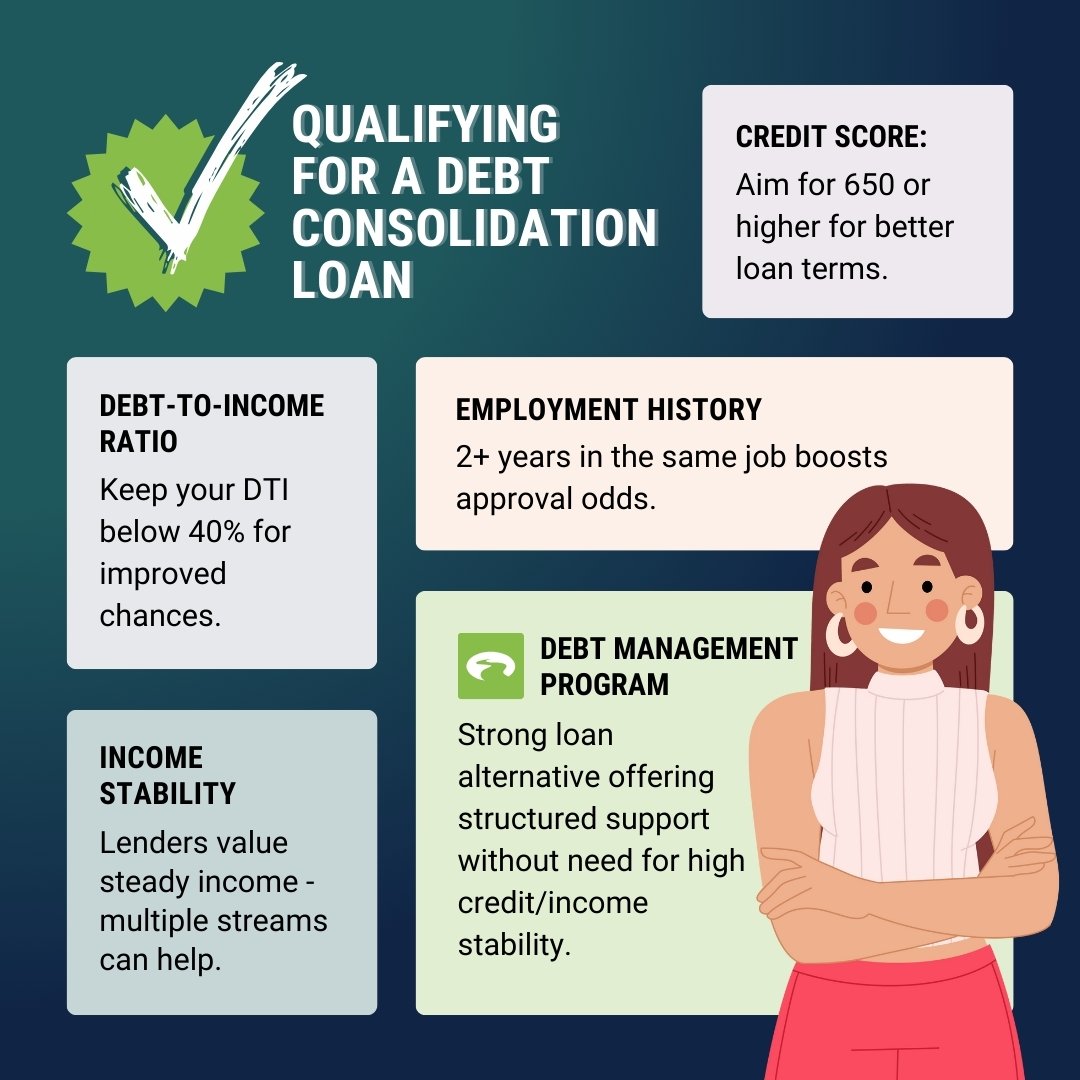
Nonprofit credit therapy firms, such as those approved by the U.S. Department of Justice, supply a necessary bridge between frustrating debt and financial clarity. These 501(c)(3) companies use financial obligation management programs that consolidate multiple regular monthly payments into one. They negotiate straight with financial institutions to lower interest rates. For a customer in the surrounding area, lowering a rate of interest from 24% to 8% is not just a mathematics win-- it is a mental relief. When more of every dollar goes toward the principal, the balance drops quicker, offering the positive reinforcement required to stay with a spending plan.
Strategic Interest Reduction Programs remains a common service for households that need to stop the bleeding of compound interest. By getting rid of the intricacy of managing numerous various due dates and fluctuating interest charges, these programs enable the brain to focus on earning and conserving instead of just enduring the next billing cycle.
Behavioral Methods for Debt Prevention in 2026
Staying debt-free throughout the rest of 2026 involves more than just paying off old balances. It requires an essential change in costs triggers. One reliable technique is the "24-hour rule" for any non-essential purchase. By requiring a cooling-off duration, the initial dopamine hit of a possible purchase fades, enabling the prefrontal cortex to take control of and evaluate the true necessity of the product. In local communities, where digital marketing is continuous, this psychological barrier is an important defense mechanism.

Another psychological strategy includes "gamifying" the interest-saving process. Some find success by tracking exactly how much interest they prevented every month by making extra payments. Seeing a "conserved" amount grow can be simply as pleasing as seeing a bank balance rise. This flips the story from one of deprivation to one of acquisition-- you are getting your own future income by not offering it to a loan provider. Access to Payment Reduction in Nebraska supplies the educational foundation for these practices, making sure that the progress made during 2026 is long-term instead of momentary.
The Connection In Between Real Estate Stability and Consumer Financial Obligation
Housing remains the biggest expenditure for the majority of families in the United States. The relationship in between a mortgage and high-interest consumer debt is mutual. When credit card interest consumes too much of a household's income, the danger of real estate instability boosts. On the other hand, those who have their real estate costs under control find it a lot easier to tackle revolving debt. HUD-approved housing counseling is a resource frequently ignored by those focusing just on charge card, however it offers a detailed take a look at how a home fits into a more comprehensive monetary photo.
For residents in your specific area, seeking therapy that addresses both housing and customer financial obligation makes sure no part of the financial picture is disregarded. Expert therapists can assist prioritize which debts to pay first based on rates of interest and legal defenses. This objective prioritization is often difficult for someone in the middle of a financial crisis to do by themselves, as the loudest lenders-- typically those with the highest interest rates-- tend to get the most attention regardless of the long-term impact.
The role of not-for-profit credit counseling is to function as a neutral 3rd party. Due to the fact that these companies operate as 501(c)(3) entities, their objective is education and rehab instead of earnings. They provide complimentary credit therapy and pre-bankruptcy education, which are vital tools for those who feel they have reached a dead end. In 2026, the availability of these services throughout all 50 states suggests that geographic location is no longer a barrier to getting high-quality financial guidance.
As 2026 progresses, the distinction in between those who have problem with debt and those who remain debt-free typically comes down to the systems they put in place. Depending on determination alone is hardly ever effective because self-control is a finite resource. Instead, using a debt management program to automate interest reduction and primary repayment produces a system that works even when the individual is worn out or stressed out. By integrating the mental understanding of spending activates with the structural advantages of not-for-profit credit counseling, consumers can ensure that their financial health stays a top priority for the rest of 2026 and beyond. This proactive method to interest decrease is the most direct path to monetary independence and long-lasting assurance.

Latest Posts
A Guide to Debt Recovery for 2026
What to Expect When Filing for Relief in 2026
Advantages of Free Credit Counseling Programs in 2026